THE SITUATION
Why This Service Matters
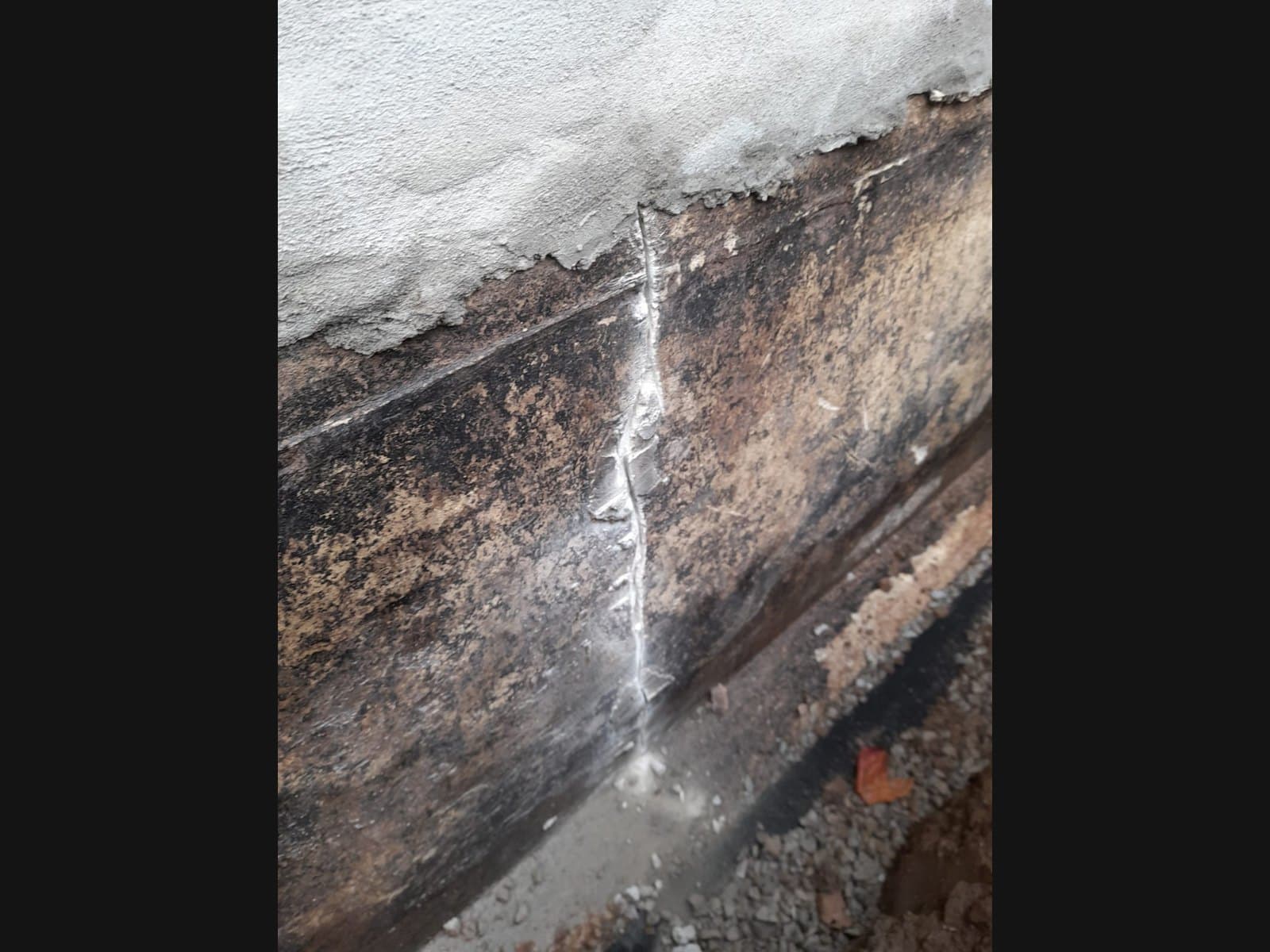
Have you noticed a line in an Orillia foundation that stays dry for months, then weeps after thaw? Many downtown and West Ridge cracks start as shrinkage or settlement. They stay quiet until melt and lake-edge moisture load the wall. Then they act like a small tap.
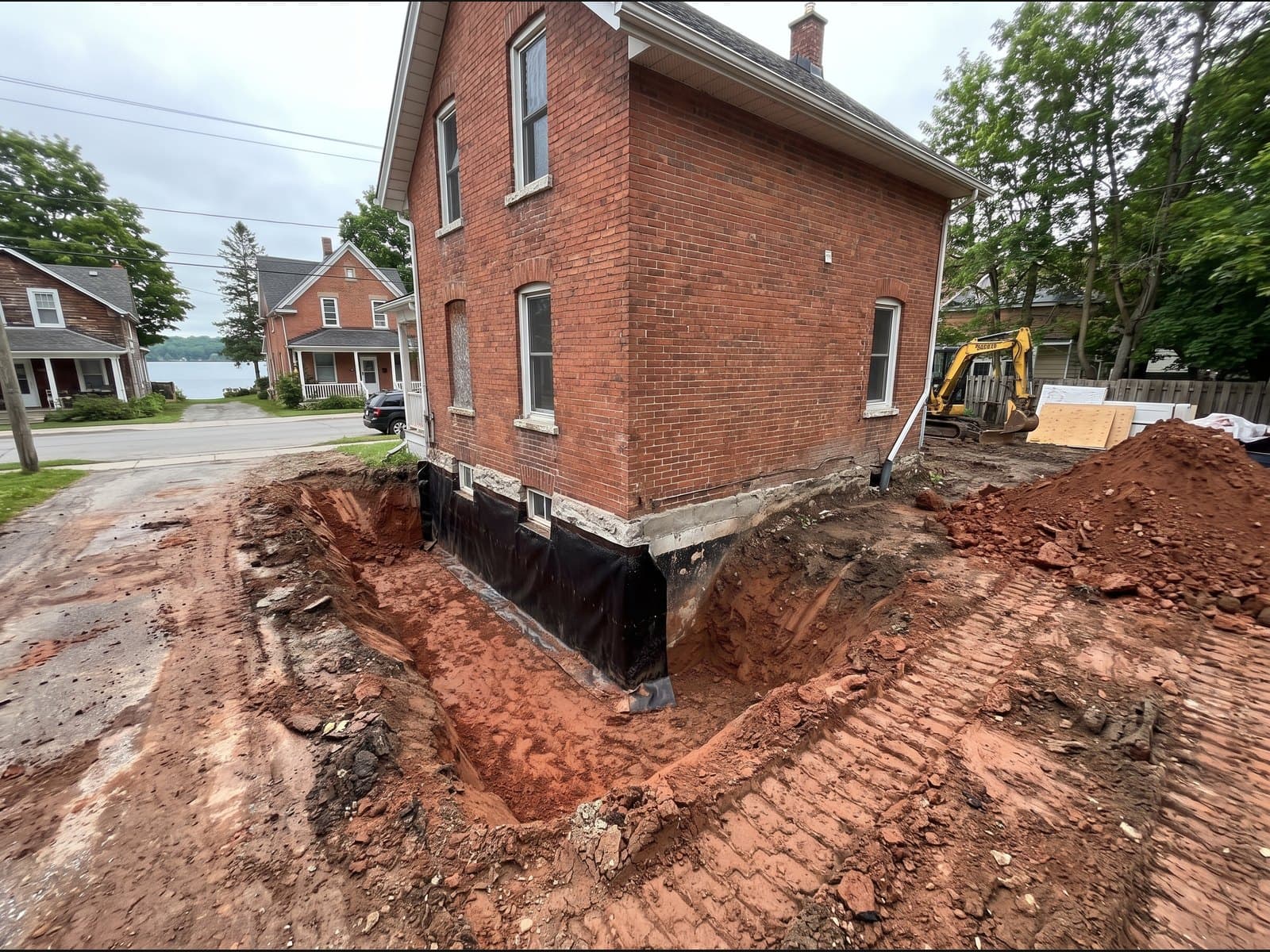
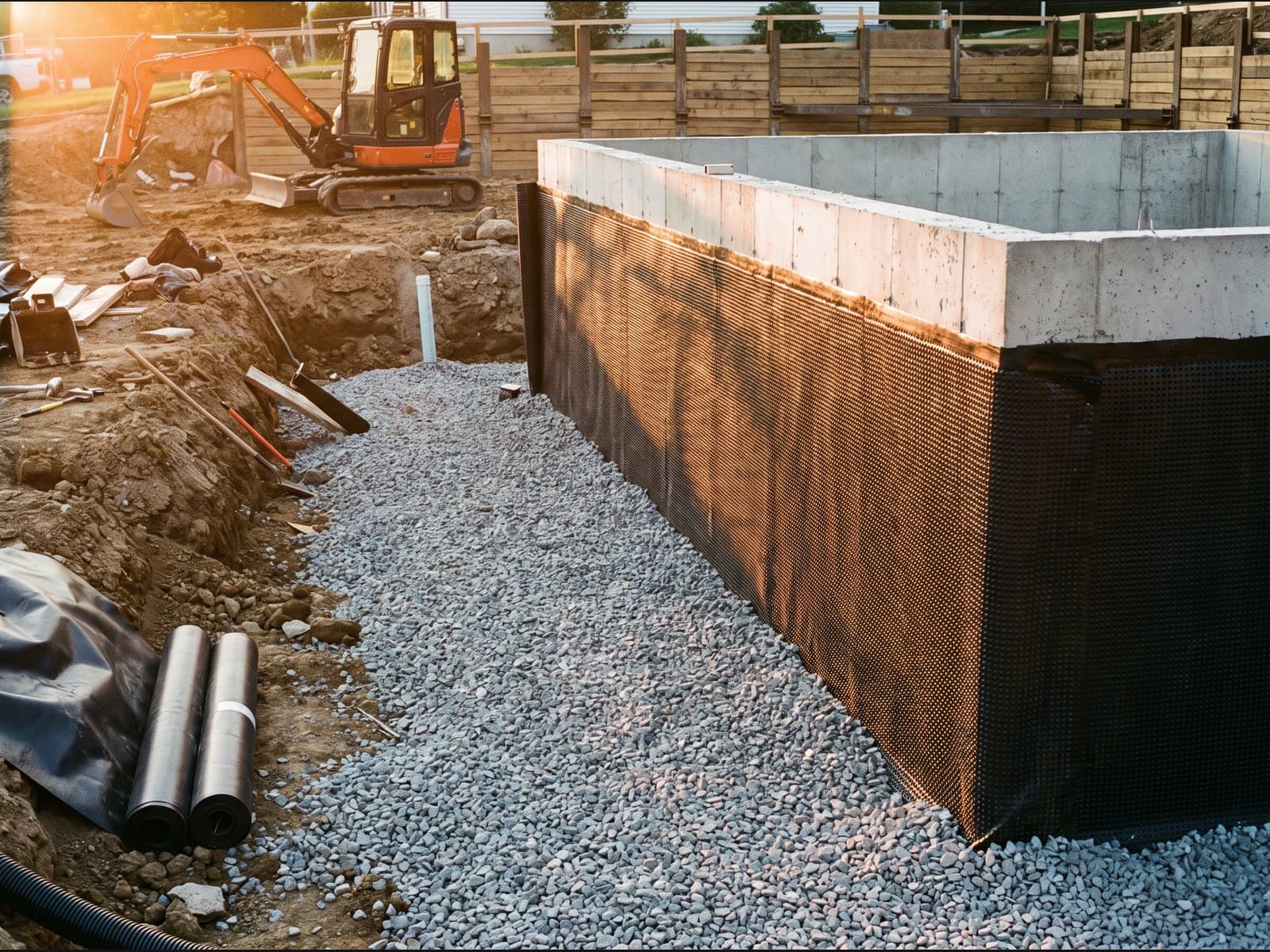
We repair leaking cracks with polyurethane injection from the inside when the wall is otherwise sound, or with an exterior excavation and patch when the crack is wide, moving, or part of a failed membrane.
A leaking crack is a small opening with a large cleanup bill if it sits behind new drywall. Injection or a targeted exterior patch costs far less than ripping out a finished room.
You also get a clear answer: this crack is the path, or this crack is a symptom of pressure that needs drainage. That stops you from paying twice for the same spring leak.
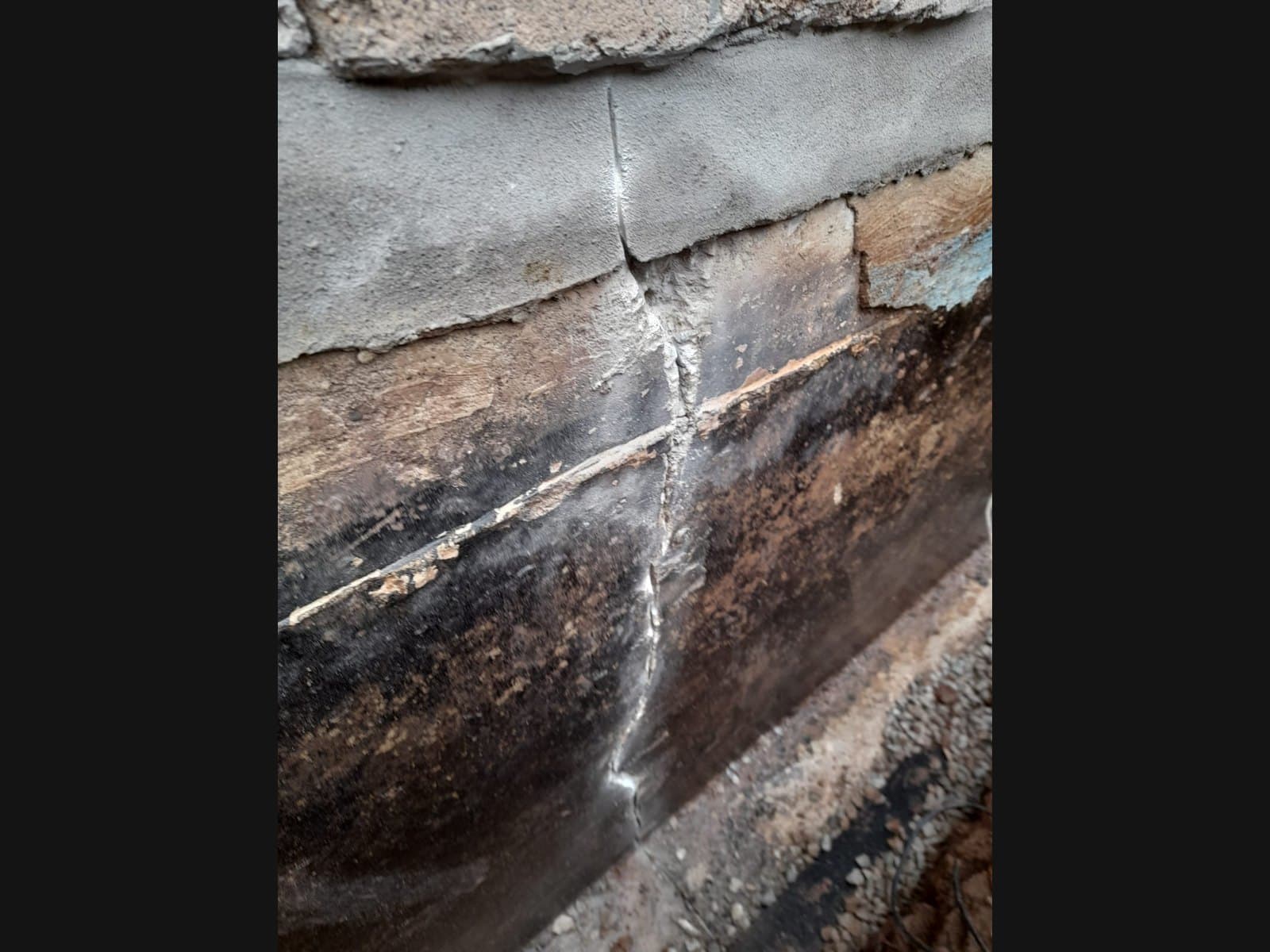
Structural cracks are a different conversation. We will not treat a bowing wall as a simple leak. If the crack is the whole problem, you should not be quoted a full waterproofing package. One of the first things we check is whether the wall is stable.
Sealing the crack before you finish a lower level is usually the cost-effective move, and it helps you make the most of the space later. If drywall already covers the line, we will tell you how much finish has to come off.
THE RIGHT FIT
When This Service Makes Sense
01
A vertical crack that wets during melt or storms
02
White staining or rust marks along a crack
03
A cold cellar or stairwell leak at a known crack
04
You want the crack sealed before finishing or heating the wall
THE WORK
What the Job Involves
01
Locate and measure the crack; check for movement
02
Interior polyurethane or epoxy injection where appropriate
03
Exterior excavation, clean-out and cement or membrane patch
04
Advice if the crack is structural rather than a leak path
HOW WE WORK
How We Complete the Work
We look at width, location and whether the wall is moving. Hairline shrinkage cracks that wet in thaw are usually good candidates for injection.
Interior injection fills the leak path from inside when we can reach it and the wall is stable.
Wide or dirty cracks, or cracks tied to a failed exterior membrane, get a dig, a clean-out and a proper patch so the seal is not sitting on loose material.
If water is also coming through the cove joint, we say so. Injection will not finish that job on its own, and we would rather be honest than leave you with a half-fixed wall.
COST
What It Typically Costs
Interior injection often starts in the mid hundreds per crack. Exterior excavation for a single crack is higher because of the dig, and Orillia crack work can reach about $750 to $1,000 when access and patching add time. We quote after we see it.
That is still far less than a full interior or exterior system when the crack is the only path. We will not recommend a drain simply because a crack is easier to sell as a larger project.
Published range
Mid hundreds to ~$750–$1000 / crack
Interior injection when the wall is stable. Exterior patch if we have to dig.
Get a written quoteCommon Mistakes to Avoid
01
Hydraulic cement on a dirty, wet crack with no injection. It skins over and weeps again.
02
Injecting a moving or bowing wall and calling it done.
03
Ignoring the cove joint on the same wall. Two paths means two fixes — or one drain.